
Cognizant 2026
Building a smarter nuclear radiation safety system for the Age of AI
The radiation dose management process is – as one might expect – complicated. Whether at a large nuclear power plant, small modular reactor or radiopharma facility, the process involves many systems, devices that don’t talk to each other, and numerous manual reporting procedures that can take weeks or even months to complete.
A leading radiation detection equipment manufacturer approached Cognizant to reimagine the end-to-end workflow, unifying systems, people, and processes and infusing agentic AI throughout to build one easy-to-use platform that can scale from a small radiopharmacy to a multi-site nuclear power plant system.
too long
;
didn't read
;
too long ; didn't read ;
The problem
I led a team of two designers to reimagine the radiation dose management workflow from the ground up.
My role
As creative director, I served as the bridge between our team and client stakeholders, surfacing their vision for the project while keeping user needs grounded in the conversation.
The method
The project constituted five distinct phases during which we held a workshop, visited sites for ethnographic research, created journey maps and blueprints, and designed high-fidelity concepts.
The output
My team delivered an interactive blueprint, plus customer- and stakeholder-validated concept designs.
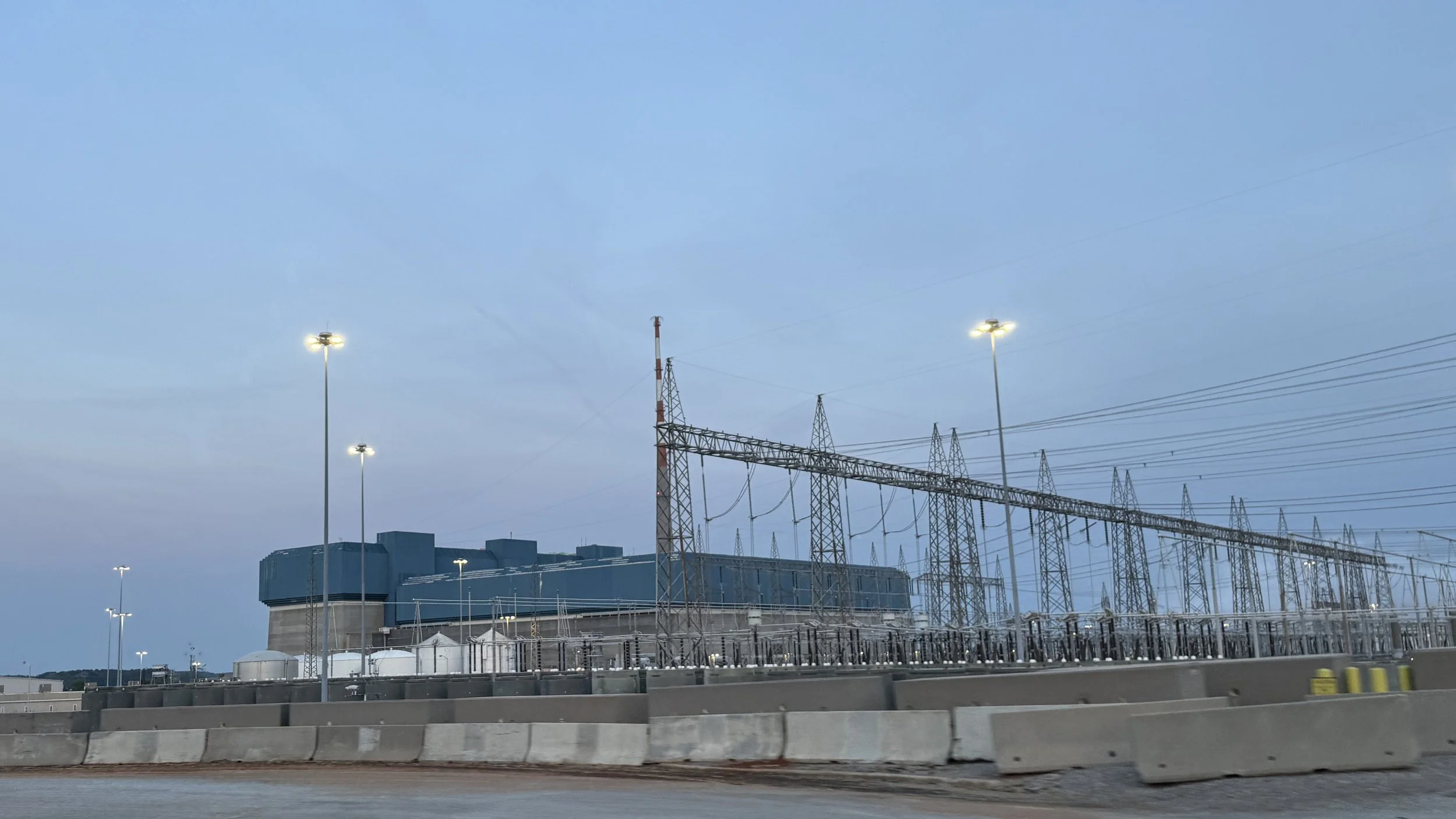
Kicking off the engagement with a full-team Google Design Sprint workshop
The problem
The current dose management systems were built for compliance, not for the people using them. Radiation Safety Officers and technicians were navigating disconnected workflows across badge tracking, discrepancy resolution, and reporting, with no single source of truth and no room to act before small issues became compliance risks. The challenge was rethinking how dose data moves through an organization, from hardware to dashboard to decision.
The details
Team makeup
I led a team of two designers and worked directly with strategists and client stakeholders to gain alignment and share research findings across the team.
Timeline
Five sprints spread across a 16-week timeline:
Frame
Learn
Ideate
Roadmap
Design
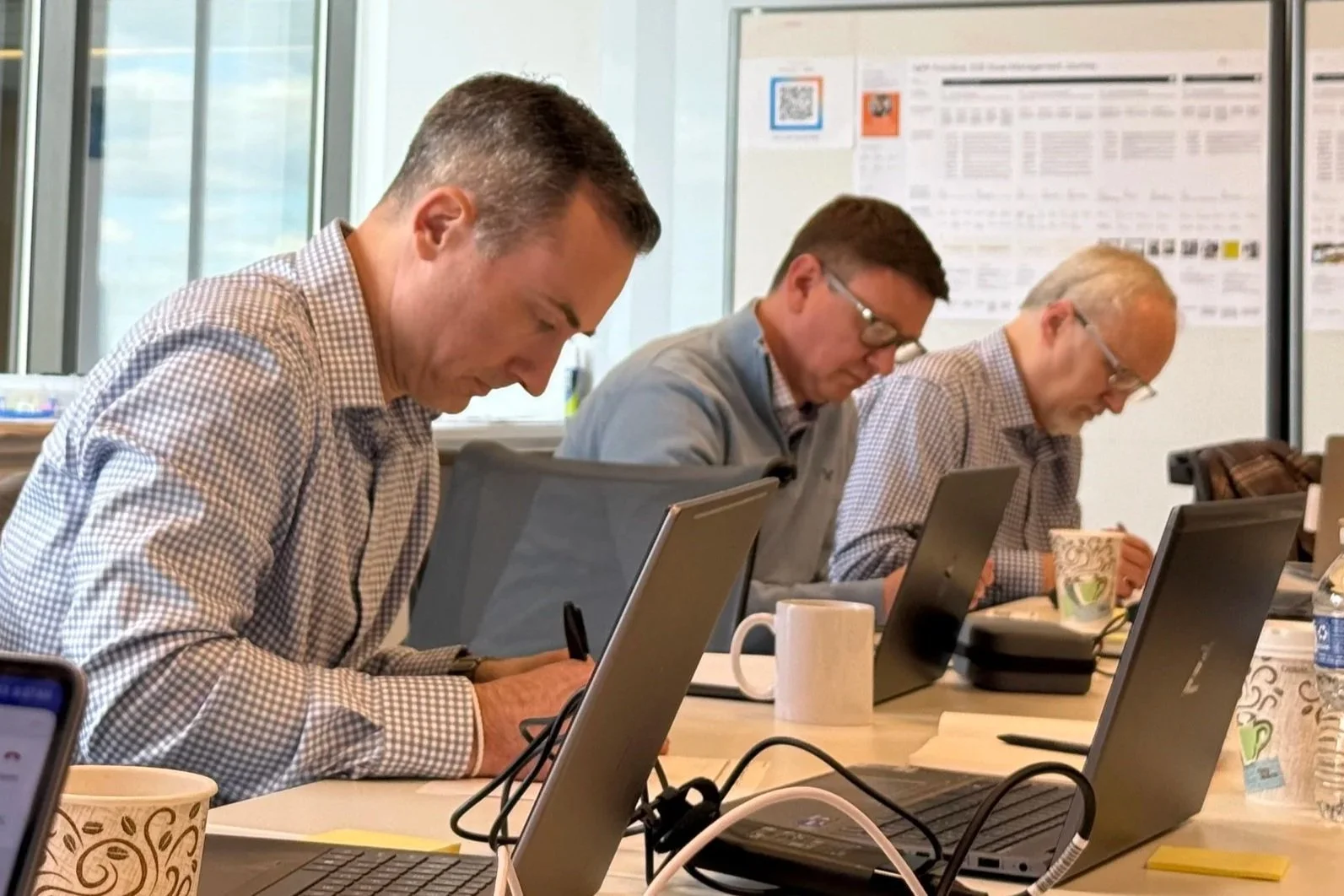
Ideation Workshop
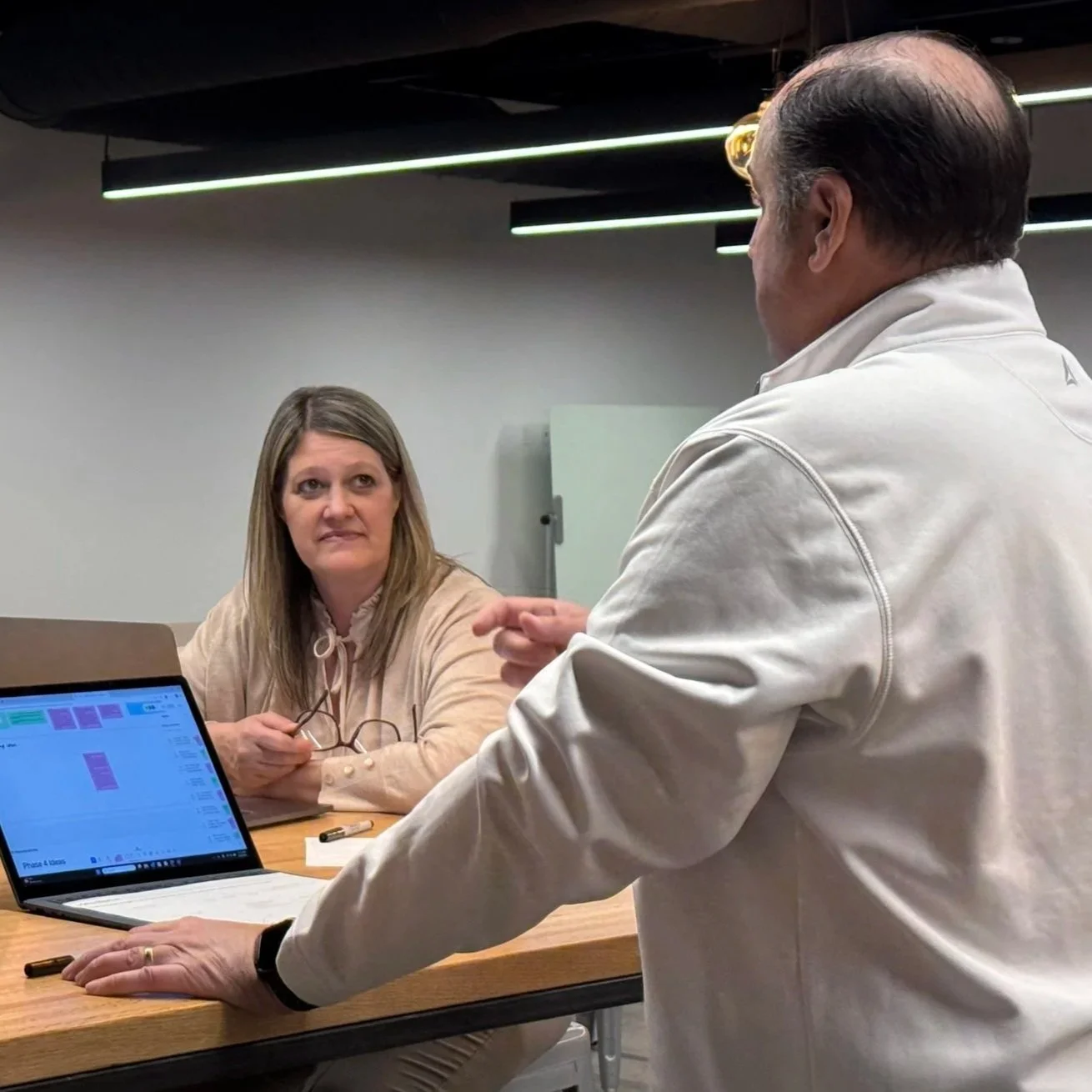
Ideation Workshop
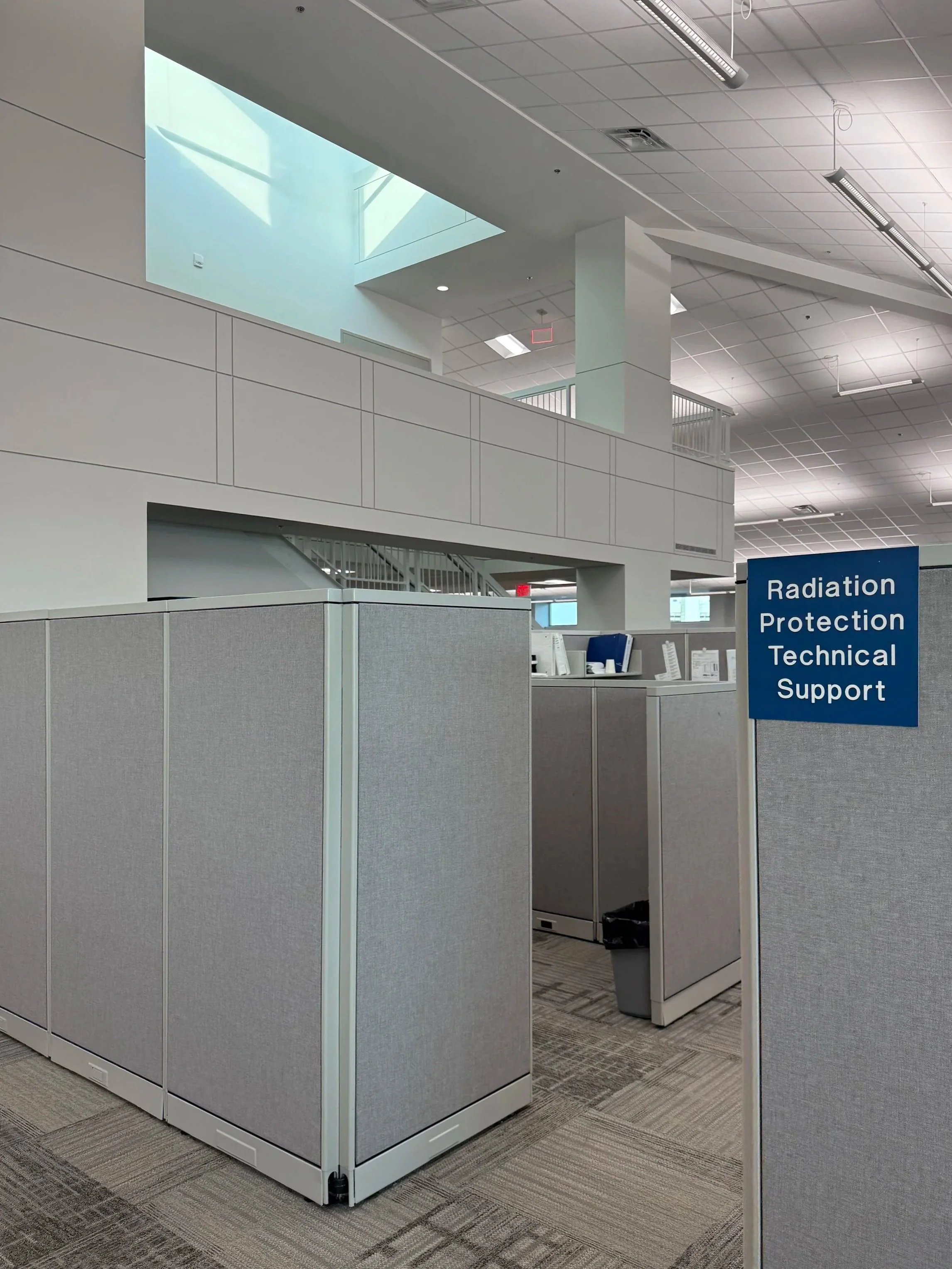
Ethnographic site visit
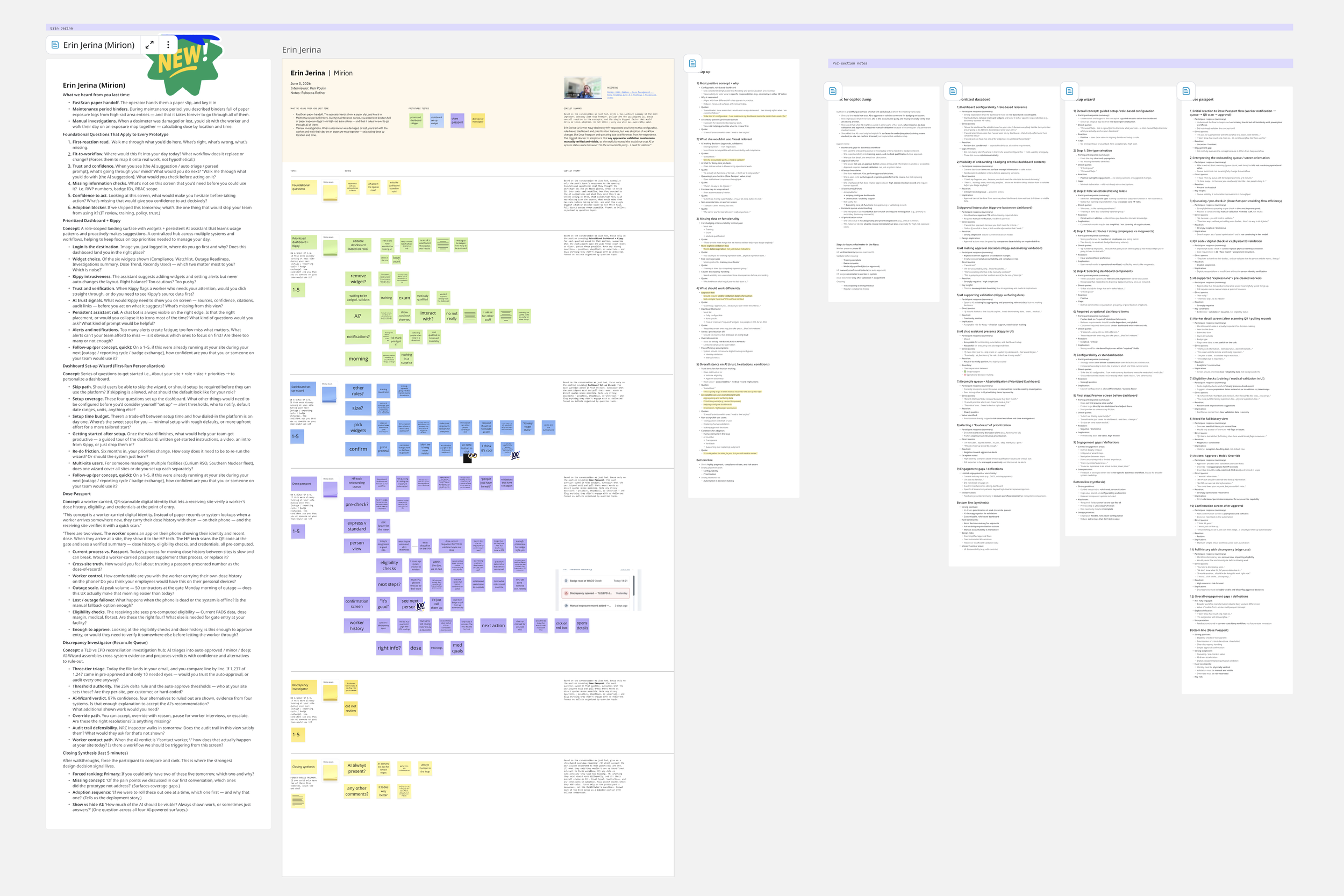
Customer Interview Notes
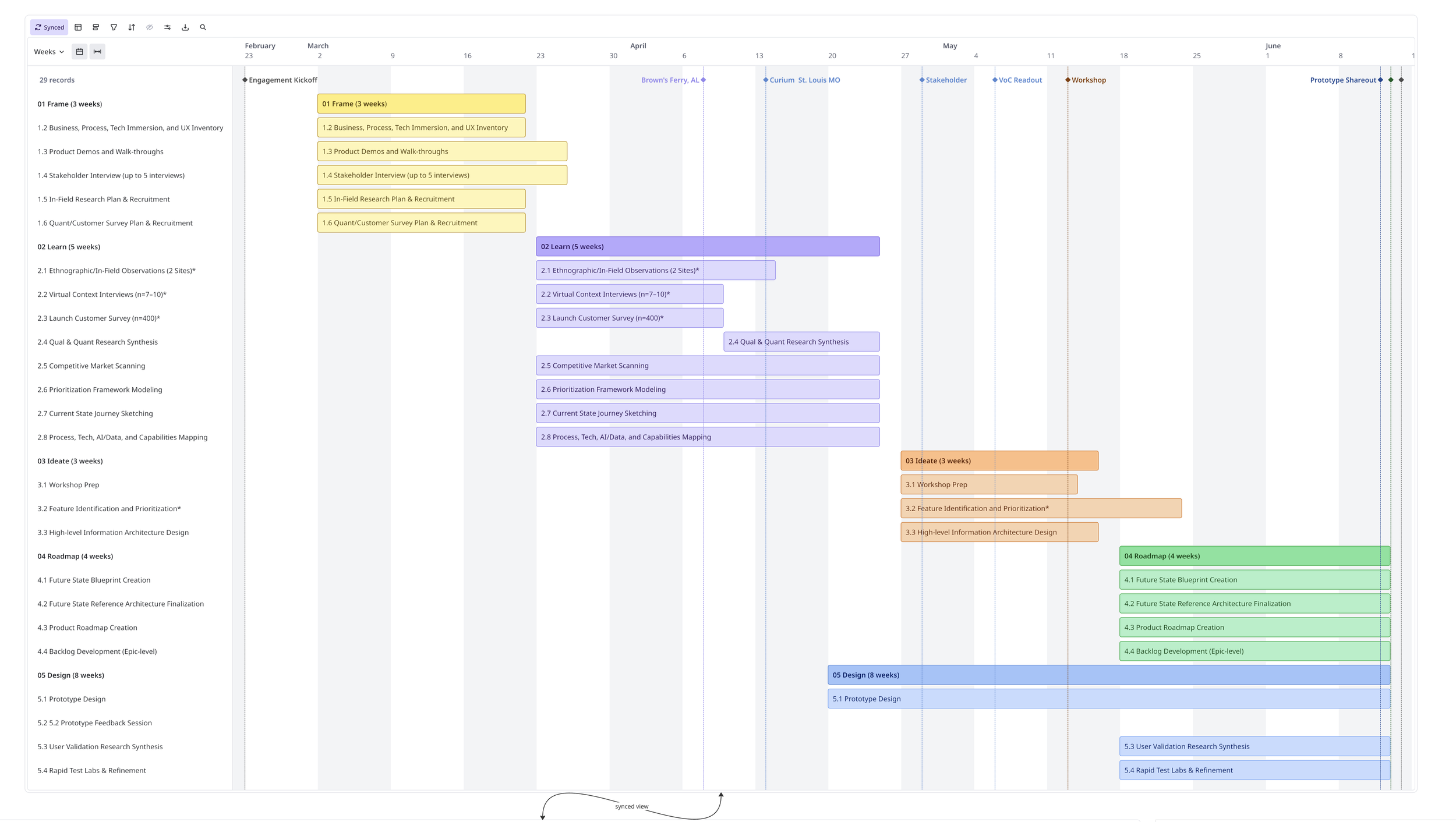
Timeline

Future-State Service Blueprint
The process
Frame
We started by mapping the problem space: the current ecosystem as well as the competitive landscape. That meant understanding how dose data actually moves: from hardware and external dosimetry partners, through third-party software, into the hands of the people who have to act on it. We worked with stakeholders to align on what "future-state" needed to mean.
Learn
With the problem framed, we ran a one-day ideation workshop to understand how technicians and safety officers actually work day-to-day, and identify where the friction lived, where trust broke down, and where the existing system was asking people to do the system's job for it. This phase was less about agreeing on a direction and more about making sure we were solving the right problem before running head-first.
Ideate
With the ideas from the workshop, we moved into concept generation across the four high-level journey phases:
Worker & Job Preparation
RCA Operations & Monitoring
Dose QA & Exceptions
Reporting & Compliance
For each phase, we identified a high-value concept to design. We explored multiple directions for each, stress-testing assumptions about where automation could help and where it would just add noise. This is also where we started defining the AI moments in the experience.
Roadmap
Concepts don't mean much without a sequence. We prioritized capabilities based on user impact and technical dependency, then built a phased roadmap that gave the team a realistic path from current state to future state without asking them to rebuild everything at once.
Design
Validated concepts moved into detailed design, grounded in real user testing rather than assumption. In addition to the 5 concepts, we also produced a full service blueprint mapping how people, systems, data, AI, and hardware interact at every phase of the journey. Every AI-driven moment was defined with the same rigor: what action it takes, what tier of autonomy it operates at, whether it's reversible, who's accountable, and what conditions trigger escalation to a human.
Case study presented to Global Town Hall, July 2026
The results
The final deliverables included a series of 5 concepts based on the 4 phases, an interactive, Figma-based service blueprint, voice of customer insights, competitive analysis, and future-state site map.
The validation testing gave the client's team confidence that the future-state direction actually solved for how technicians and radiation safety officers work. The service blueprint became a shared artifact that aligned design, engineering, and product stakeholders around one map of the experience, cutting down the back-and-forth that usually stalls complex platform work. Most importantly, the AI governance framework built into the blueprint gave the team a repeatable way to evaluate automation decisions, keeping human judgment central as the platform scales.